
Neurological Physiotherapy
Brain Injury
Neurological Physiotherapy Following a Brain Injury
A brain injury can affect many aspects of daily life, including movement, balance, thinking, communication and independence. Brain injury rehabilitation aims to support people in maximising their function, participation and quality of life following an acquired or traumatic brain injury. Whether your injury occurred recently or many years ago, neurological physiotherapy may play an important role in supporting your rehabilitation and helping you work towards your personal goals.
At Advanced Neuro Rehab, our physiotherapists have experience working with people following acquired brain injury (ABI) and traumatic brain injury (TBI). We provide individualised rehabilitation programs that are tailored to your goals, current abilities and stage of recovery.
What is an Acquired Brain Injury?
An acquired brain injury (ABI) is damage to the brain that occurs after birth as a result of an injury or illness. This may occur following:
- A traumatic brain injury from a fall, sporting injury or motor vehicle accident
- Stroke
- Brain tumour
- Lack of oxygen to the brain (hypoxic brain injury)
- Brain infection
- Other neurological conditions or medical events affecting the brain
The brain is responsible for controlling movement, sensation, balance, communication, memory, emotions and many of the body’s automatic functions. Because different areas of the brain perform different roles, the effects of a brain injury vary from person to person.
Common Symptoms After a Brain Injury
A brain injury can result in a wide range of physical, cognitive and emotional changes. These may include:
Movement and Walking Difficulties
People may experience muscle weakness, changes in muscle tone, reduced coordination (ataxia), difficulty planning movements (apraxia), or changes in walking pattern and balance. These changes can affect mobility, transfers and participation in everyday activities.
Balance Problems and Dizziness
Many people experience reduced balance or dizziness following a brain injury. These symptoms may affect confidence, increase the risk of falls and make it more difficult to return to work, recreation or community activities.
Arm and Hand Function
A brain injury may affect reaching, grasping, coordination and fine motor skills, making everyday tasks such as dressing, preparing meals or holding a cup more challenging.
Communication Changes
Depending on the area of the brain affected, some people may experience difficulty understanding language, finding the right words or expressing themselves clearly.
Fatigue
Fatigue is one of the most common symptoms following a brain injury. Physical and mental activities often require more effort, making fatigue management an important consideration throughout rehabilitation.
Thinking and Problem Solving
Some people notice changes in attention, memory, planning or problem solving. These changes can influence work, study and everyday decision-making.
Emotional and Behavioural Changes
Brain injuries may affect emotional regulation, judgement and impulse control. It is also common for people and their families to experience emotional challenges while adjusting to changes following the injury.
Other Changes
Some people experience changes in bladder or bowel function, blood pressure regulation or other automatic body functions. Rehabilitation often involves working with a multidisciplinary team to address these more complex needs.
How Can Neurological Physiotherapy Help?
Neurological physiotherapy focuses on understanding how a brain injury is affecting your movement, function and participation in everyday life. Following a comprehensive assessment, we develop an individualised rehabilitation program that is tailored to your goals, challenges and stage of recovery.
Treatment may include:
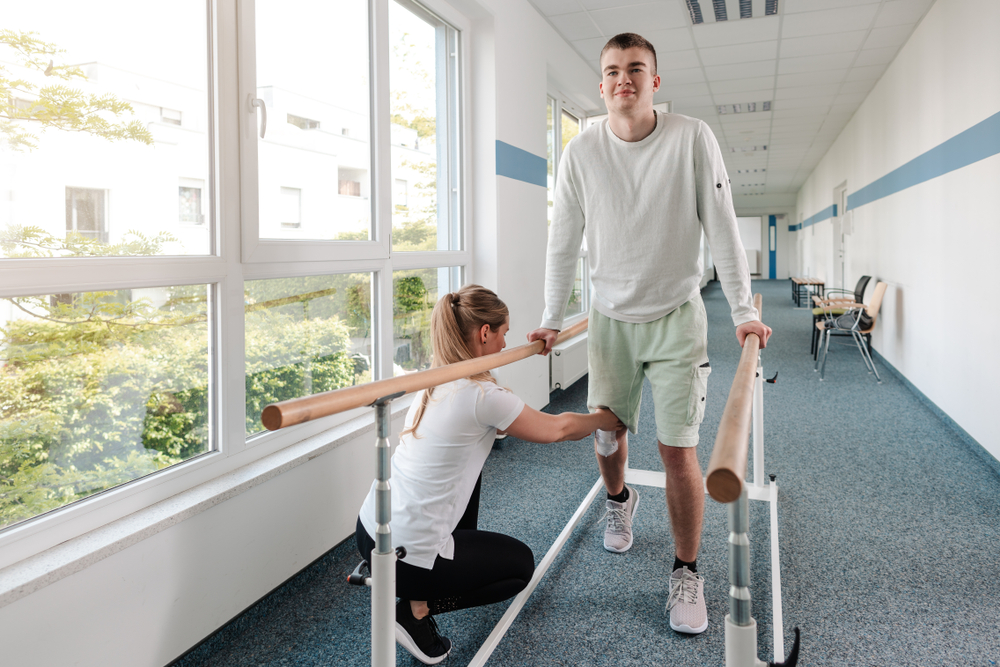
- Walking and gait retraining
- Balance rehabilitation and falls prevention
- Strength and endurance training
- Coordination and motor retraining
- Upper limb and hand rehabilitation
- Vestibular rehabilitation for dizziness, where appropriate
- Exercise programs to improve cardiovascular fitness
- Equipment prescription and mobility aid assessment
- Education for clients, families and carers
Your rehabilitation program will depend on your individual presentation and may be adapted as your goals, abilities and circumstances change over time.
Brain Injury Rehabilitation at Advanced Neuro Rehab
Our team provides neurological physiotherapy for people living with the effects of acquired and traumatic brain injury. We aim to provide evidence-informed, goal-directed rehabilitation that supports participation in the activities that matter most to you.
We work with people across all stages of recovery, from those recently discharged from hospital through to individuals looking to continue improving months or even years after their brain injury.
Our brain injury rehabilitation services may include:
1:1 Clinical Consultations
Our physiotherapists complete a comprehensive assessment to understand your movement, functional challenges and goals. Treatment is tailored specifically to your individual needs with dedicated one-on-one care.
Large Treatment Rooms and On-site Gyms
Our purpose-built clinics include spacious treatment areas, fully equipped rehabilitation gyms and a LiteGait Body Weight Support System at our Royston Park clinic. This allows us to provide task-specific rehabilitation that can be progressed towards meaningful, real-world goals.
Clinical Rehabilitation Classes
Our small group rehabilitation classes (maximum six participants) are supervised by a physiotherapist. Individualised exercise programs provide an opportunity to continue working towards your goals while exercising alongside others in a supportive environment.
Hydrotherapy
Hydrotherapy provides an alternative rehabilitation environment where the properties of water may assist with movement, balance, strength and confidence. Sessions are available on an individual basis or in a small group setting.
Home Visits
For people who find it difficult to attend one of our clinics, we offer home visits. Home-based rehabilitation also provides an opportunity to assess your home environment and work on goals that are meaningful within your everyday surroundings.
If you would like to learn more about neurological physiotherapy following a brain injury, or discuss whether rehabilitation may be appropriate for you, please contact our team.
Links
Frequently Asked Questions
How can neurological physiotherapy help after a brain injury?
Neurological physiotherapy may help improve mobility, balance, strength, coordination and confidence following a brain injury. Your rehabilitation program is tailored to your individual goals, abilities and stage of recovery.
When should I start brain injury rehabilitation?
Rehabilitation often begins soon after a brain injury, but people may also benefit from physiotherapy months or years later. An assessment can help determine the most appropriate rehabilitation approach for your current needs and goals.
What does brain injury rehabilitation involve?
Treatment is individualised and may include walking retraining, balance rehabilitation, strength and conditioning, upper limb rehabilitation, vestibular rehabilitation for dizziness, education and a personalised home exercise program.
How long does rehabilitation take?
Recovery following a brain injury varies from person to person. Your physiotherapist will regularly review your progress and adapt your rehabilitation program as your goals and needs change.
Do I need a referral to see a neurological physiotherapist?
In most cases, you do not need a referral to see a physiotherapist in Australia. However, some funding bodies and compensation schemes, such as ReturnToWorkSA, the National Disability Insurance Scheme (NDIS) or Compulsory Third Party (CTP) insurers, may have specific referral or approval requirements before treatment begins.
Book an appointment
Call (08) 8363 0458 or contact us to book at Royston Park, Goodwood and Christies Beach.
You do not usually need a referral to see a physiotherapist as a private client.
Funding can include private health insurance, Medicare rebates, DVA, the NDIS, ReturnToWorkSA, compulsory third-party insurance and the Lifetime Support Authority. Fees and Funding.