
Neurological Physiotherapy
Spinal Muscular Atrophy
Spinal Muscular Atrophy Physiotherapy Treatment Adelaide
Spinal Muscular Atrophy (SMA) is a group of genetic neurological conditions that affect the motor neurons in the spinal cord. These motor neurons are responsible for sending signals from the brain to the muscles, allowing movement.
When these motor neurons are affected, muscles become progressively weaker and may reduce in size (muscle atrophy). The severity and presentation of SMA can vary significantly between individuals, with symptoms affecting movement, posture, breathing, fatigue levels and independence.
People with SMA may experience:
- Muscle weakness affecting mobility and everyday activities.
- Difficulty with posture and maintaining comfortable positions.
- Reduced endurance and fatigue.
- Challenges with transfers, walking or wheelchair mobility.
- Joint stiffness or musculoskeletal pain related to weakness and altered movement patterns.
How can physiotherapy help with Spinal Muscular Atrophy?
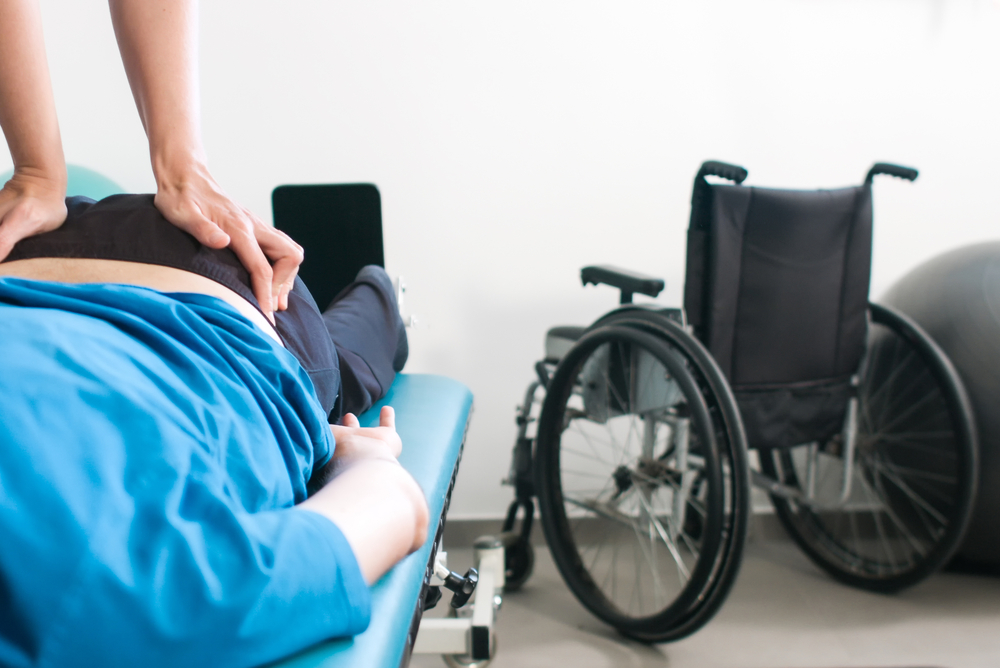
Neurological physiotherapy plays an important role in supporting people living with Spinal Muscular Atrophy by helping maintain movement, comfort, independence and quality of life.
At Advanced Neuro Rehab, our physiotherapists provide personalised rehabilitation programs focused on each person’s abilities, goals and stage of the condition.
Physiotherapy may include:
- Movement-based training to maintain functional abilities and participation.
- Postural management to support comfort, alignment and prevent secondary complications.
- Mobility training including walking, transfers and wheelchair mobility strategies.
- Strength and physical activity programs designed to safely maintain function and fitness.
- Pain management strategies for musculoskeletal discomfort.
- Exercise and fatigue management advice to support participation in daily activities.
- Equipment recommendations including mobility aids, seating and positioning supports.
People with SMA often benefit from a coordinated multidisciplinary approach. We work closely with other healthcare professionals including occupational therapists, speech pathologists, orthotists, respiratory specialists and seating specialists to ensure care is tailored to individual needs.
Hydrotherapy for Spinal Muscular Atrophy
Hydrotherapy can be a valuable way for people with SMA to participate in exercise and movement in a supported environment.
The buoyancy of water can reduce the impact of gravity, making movement easier while allowing people to practise strengthening, balance and mobility exercises in a safe and enjoyable way.
Our hydrotherapy programs provide an opportunity to move freely, build confidence and participate in physical activity with others.
At Advanced Neuro Rehab, we support people with Spinal Muscular Atrophy to remain as active, independent and engaged as possible throughout all stages of their condition.
Links
Frequently Asked Questions About Spinal Muscular Atrophy
Can physiotherapy help with Spinal Muscular Atrophy?
Yes. Physiotherapy can help people with SMA maintain mobility, posture, comfort, strength and independence. Rehabilitation focuses on supporting function and preventing secondary complications.
Is exercise safe for people with SMA?
Yes, when appropriately prescribed. Exercise programs should be tailored to each person’s strength, fatigue levels and abilities to support safe participation and avoid overexertion.
Does Spinal Muscular Atrophy affect walking?
Yes. SMA can affect walking ability due to progressive muscle weakness. Physiotherapy can help optimise mobility, provide walking strategies and recommend equipment when required.
Can hydrotherapy help with SMA?
Yes. Hydrotherapy can provide a supportive environment for movement and exercise. The buoyancy of water can make activities easier while allowing people to practise mobility and strengthening safely.
Why is posture management important in SMA?
Muscle weakness can affect posture, spinal alignment and comfort over time. Physiotherapy can provide positioning strategies and work with other professionals to support long-term comfort and function.
When should someone with SMA see a physiotherapist?
A neurological physiotherapy assessment can be helpful following diagnosis and throughout life as movement, strength, fatigue or mobility needs change.
Book an appointment
Call (08) 8363 0458 or contact us to book at Royston Park, Goodwood and Christies Beach.
You do not usually need a referral to see a physiotherapist as a private client.
Funding can include private health insurance, Medicare rebates, DVA, the NDIS, ReturnToWorkSA, compulsory third-party insurance and the Lifetime Support Authority. Fees and Funding.