

Hip dysplasia is a condition where the hip joint has not developed its usual shape. The hip is a ball-and-socket joint, with the ball at the top of the thigh bone fitting into a socket in the pelvis. In people with hip dysplasia, the socket may be too shallow to provide enough coverage and support for the ball.
This difference in joint structure can result in increased hip movement but reduced stability. The joint may have less support from the surrounding bone, placing additional demands on the muscles and other structures around the hip. Over time, this can contribute to pain and an increased risk of developing osteoarthritis.
Hip dysplasia is more common in women and is often present from birth. Although it is commonly identified in babies, it can go undetected and present later in adolescence or adulthood. Some adults experience pain during activities such as walking, running, climbing stairs or sitting for long periods, while others may have few or no symptoms.
Because hip dysplasia can cause symptoms similar to other hip conditions, it can sometimes be overlooked or misdiagnosed. A physiotherapy assessment can help identify signs of hip dysplasia and determine if further investigations are required.
How can physiotherapy help?
Although physiotherapy cannot change the shape of the hip joint, it can help manage pain, improve muscular support and make everyday activities more comfortable.
1. Assessment and advice
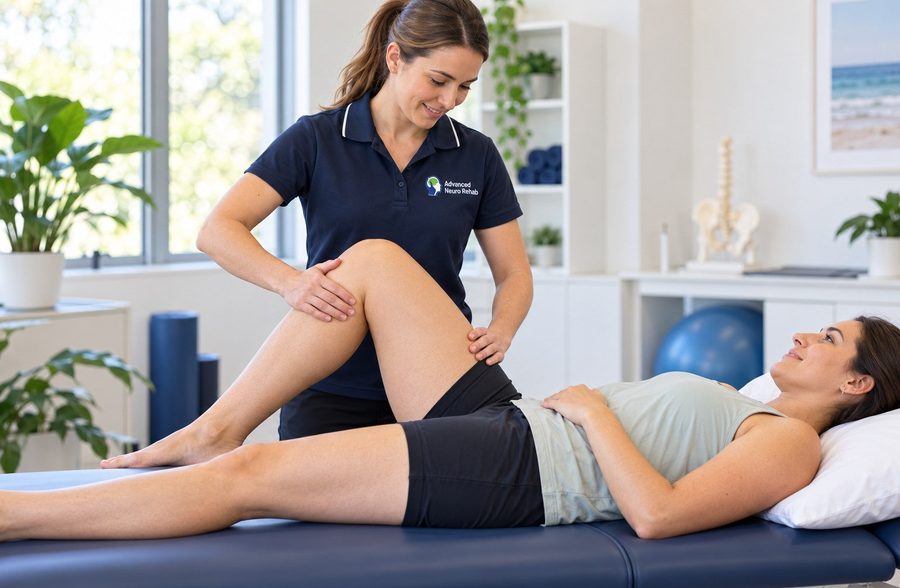
Your physiotherapist will assess your symptoms, hip movement, strength and how your condition affects your daily activities. They can help you understand hip dysplasia, identify potential aggravating factors and develop a management plan that suits your needs and goals.
If hip dysplasia is suspected, your physiotherapist can recommend further medical assessment to help clarify the diagnosis.
2. Activity modification
You do not necessarily need to stop exercising or avoid all activities that cause discomfort. Instead, the aim is to find a balance between staying active and managing your symptoms.
Your physiotherapist can provide practical advice on modifying activities that aggravate your hip pain. This may include adjusting exercise intensity, reducing repetitive or high-impact activities when symptoms flare up, changing movement patterns or gradually building up your walking and exercise tolerance.
3. Strengthening the muscles around the hip to support long term function
Strengthening is an important part of conservative management for hip dysplasia. As the hip joint may have reduced structural stability, improving the strength and control of the surrounding muscles can help provide additional support during movement.
Your physiotherapist may prescribe exercises targeting the gluteal (buttock) muscles, hip muscles and core. These muscles help control the position of the pelvis and hip during activities such as walking, climbing stairs, standing on one leg and exercising.
Exercises are tailored to your symptoms, current strength and activity levels, with the difficulty gradually increased as your capacity improves. The aim is to improve strength, movement control and confidence while keeping symptoms manageable.
Can hip dysplasia be managed without surgery?
Many adults with hip dysplasia can manage their symptoms with conservative treatment. This may include education, activity modification, strengthening exercises and strategies to manage pain.
The most appropriate approach depends on your symptoms, the structure of your hip joint and how much your condition affects your daily life. In some cases, surgery may be indicated.
If further investigation or specialist input is required, your physiotherapist can communicate with your GP and orthopaedic surgeon to help coordinate your care and support appropriate treatment planning.
How can we help?
Hip dysplasia affects everyone differently, and management should be tailored to your individual needs. Physiotherapy can help you better understand your condition, manage aggravating activities and build strength to support your hip during everyday movement.
If you are experiencing ongoing hip pain or have been diagnosed with hip dysplasia, a physiotherapy assessment can help you explore your management options and develop a plan to move with greater comfort and confidence.