
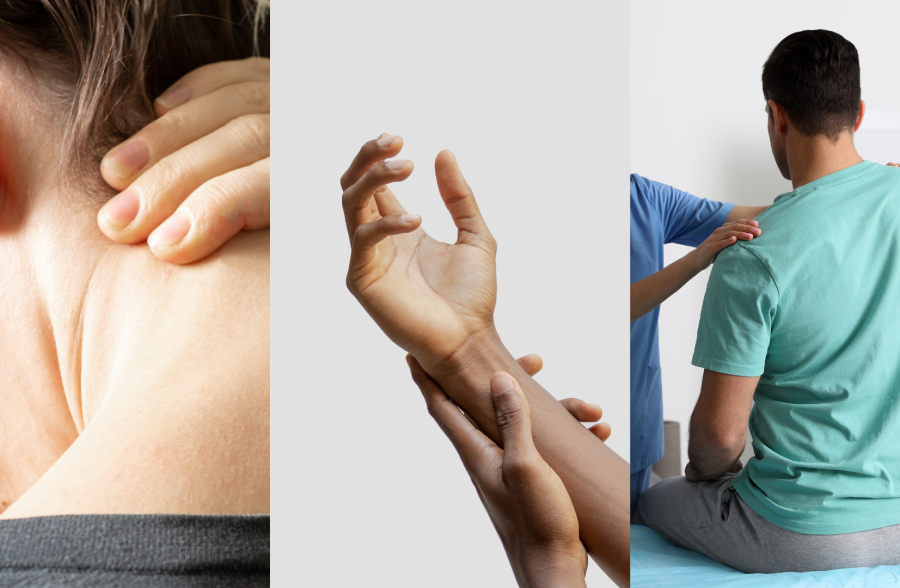
Last week in our weekly staff professional development session, James shared some really useful updates about a condition called Dystonia.
What is Dystonia?
Dystonia is a relatively common movement disorder. It happens when muscles contract in unusual ways, which can cause twisting, repetitive movements, or abnormal postures. Sometimes, muscles that usually work against each other contract at the same time, making movements awkward or uncomfortable.
Dystonia can affect just one area (like the neck or hand) or affect several parts of the body. In many cases, the cause isn’t known, though some types are linked to genetics or other conditions (such as Parkinson’s Disease).
How does Dystonia Present?
People with dystonia might experience:
- Uncontrollable muscle spasms or postures
- Movements that feel “stuck” or repetitive
- Relief with certain strategies – for example, lightly touching the face or head can sometimes ease the abnormal neck postures
- Balance or coordination difficulties
How is Dystonia Treated?
There isn’t a single “cure,” but there are many ways to help manage symptoms. Neurologists are important as they can treat specific conditions that might contribute to Dystonia, such as Wilson’s Disease. In most cases, treatment is usually a team approach, involving neurologists and physiotherapists.
From the medical side, options may include:
- Botulinum toxin injections to relax specific overactive muscles
- Medications such as muscle relaxants or those that affect different neurotransmitters in the brain
- In some cases, deep brain stimulation
From the physiotherapy side, the focus is on retraining the body and improving quality of movement and quality of life:
- Gentle movement practice to encourage normal patterns, learning an ability to adapt and add variability to different postures, without being ‘stuck’ in the same compensatory movement patterns.
- Relaxation and breathing techniques to reduce spasms
- Strengthening certain muscles while helping tight ones relax
- Balance and posture retraining
- Pain management strategies
- Using sensory techniques or feedback to help the brain relearn movement control
- Fitness and activity programs to keep the whole body strong and healthy
Why Physiotherapy Helps:
Physiotherapy doesn’t just work on the affected muscles. It looks at the whole body, helping with:
- Reducing pain and muscle spasms
- Improving posture and balance
- Regaining strength and confidence in movement
- Supporting independence in everyday activities
Dystonia can be a challenging condition, but with the right mix of medical treatment and neurological physiotherapy, many people see real improvements in movement, comfort, and quality of life.
At ANR, our team is experienced in treating conditions like dystonia. We use a combination of approaches discussed above including movement retraining, balance and posture work, relaxation strategies, and strengthening programs tailored to each individual. We also take the time to explore helpful techniques like sensory stimulation and feedback training that can make a big difference day to day. By working alongside medical treatments, our goal is to help people with dystonia move more freely, feel more comfortable, and stay active in the activities that matter most to them.