
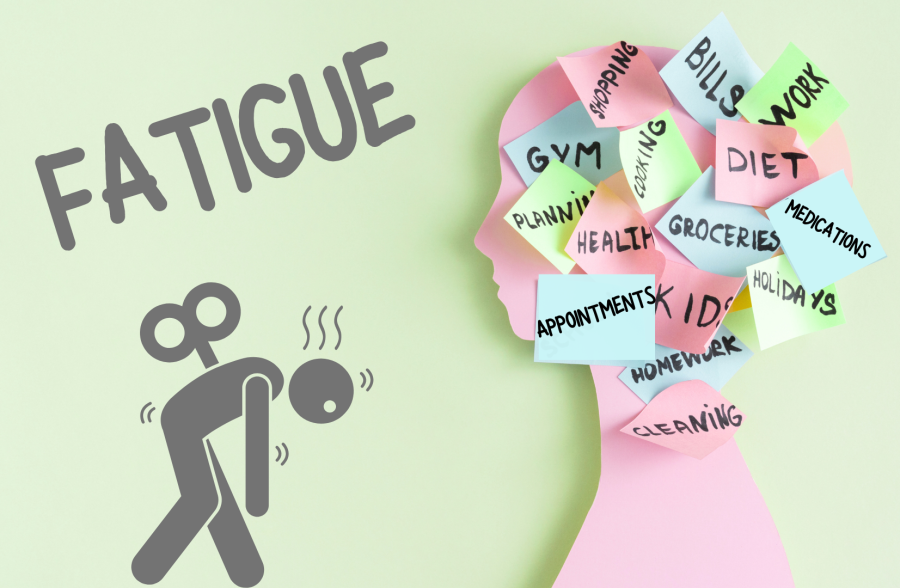
Fatigue is one of the most common, and can be most frustrating, symptoms of Multiple Sclerosis (MS). It isn’t the same as simply feeling tired after a long day. MS fatigue is unpredictable, overwhelming, and can impact every aspect of daily life. Yet because it can’t be seen, it’s often misunderstood or dismissed.
Studies show that up to 80% of people with MS experience fatigue, and for many it’s the most disabling symptom. When fatigue is brushed aside as “just being tired,” people miss out on strategies and support that can make a real difference. This is where neuro physiotherapy comes in, helping people with MS understand fatigue, learn how to manage it, and stay active in ways that work with their energy levels rather than against them.
How Neuro Physio Helps With Fatigue Management
Neuro physiotherapists are trained to look beyond the obvious. We understand that fatigue is not just physical, it can also be cognitive (affecting memory and concentration) and emotional. By working together, we can:
- Tailor exercise programs appropriate for you. We carefully balance activity and rest, making sure you’re getting the benefits of movement without overdoing it.
- Teach pacing strategies such as small adjustments like breaking tasks into chunks, planning rest periods, and prioritising energy can make daily life more manageable.
- Help you spot and identify patterns. Fatigue often fluctuates. Tracking symptoms allows us to adjust your program so you’re working with your body, not against it.
- Support consistency. Having someone check in, guide, and adapt exercises helps you keep moving, even on tougher days.
At ANR, we offer MS FightBack small group exercises classes!
One of the ways we put these strategies into practice is through our MS FightBack small group exercise classes. These sessions are designed specifically for people living with MS.
- Fatigue is openly discussed and factored into every session.
- Exercises are adapted in real-time based on how you’re feeling that day.
- You’re supported in learning to manage fatigue while still exercising safely and effectively.
- Being part of a group also means encouragement, shared understanding, and accountability which are powerful tools for sticking with your program.
When people with MS feel heard and supported, they’re more likely to engage with exercise consistently. And consistency is key! Research shows that regular movement helps reduce fatigue, improve mobility, and support long-term wellbeing.
By acknowledging fatigue and working with it instead of ignoring it, we make invisible symptoms visible and manageable.
If you’re living with MS and struggling with fatigue, know that you’re not alone. With the right strategies and support, it’s possible to take control and keep moving forward.